The nervous system has two modes, roughly: the sympathetic one that prepares you to act, and the parasympathetic one that runs digestion, repair and sleep. You cannot switch between them by deciding to. Breathing is the one input to that system you have direct conscious control over.
The specific lever is the exhale. Heart rate rises slightly on inhalation and falls on exhalation - an effect called respiratory sinus arrhythmia, and it is measurable on any heart rate monitor. Breathe so the exhale is longer than the inhale and you spend more time in the falling phase. Do it for a few minutes and heart rate and blood pressure follow.
That is the whole mechanism. Every technique below is a different arrangement of it.
The techniques worth knowing
Slow exhale breathing
Inhale for four, exhale for six or eight. No holds, no counting beyond that.
The plainest version and the one most likely to actually get used. It has the best evidence behind it, it works lying down, and there is nothing to remember. If you try one thing, this is it.
4-7-8
Inhale four, hold seven, exhale eight. Popularised by Andrew Weil, and the most widely shared of these.
The long hold produces a mild rise in carbon dioxide, which some people find markedly relaxing and others find slightly panicky. It is worth trying and worth abandoning quickly if the hold makes you want to gasp - that reaction is common and not a failure.
The eight-count exhale is doing most of the work. If the hold does not suit you, drop it and keep the ratio.
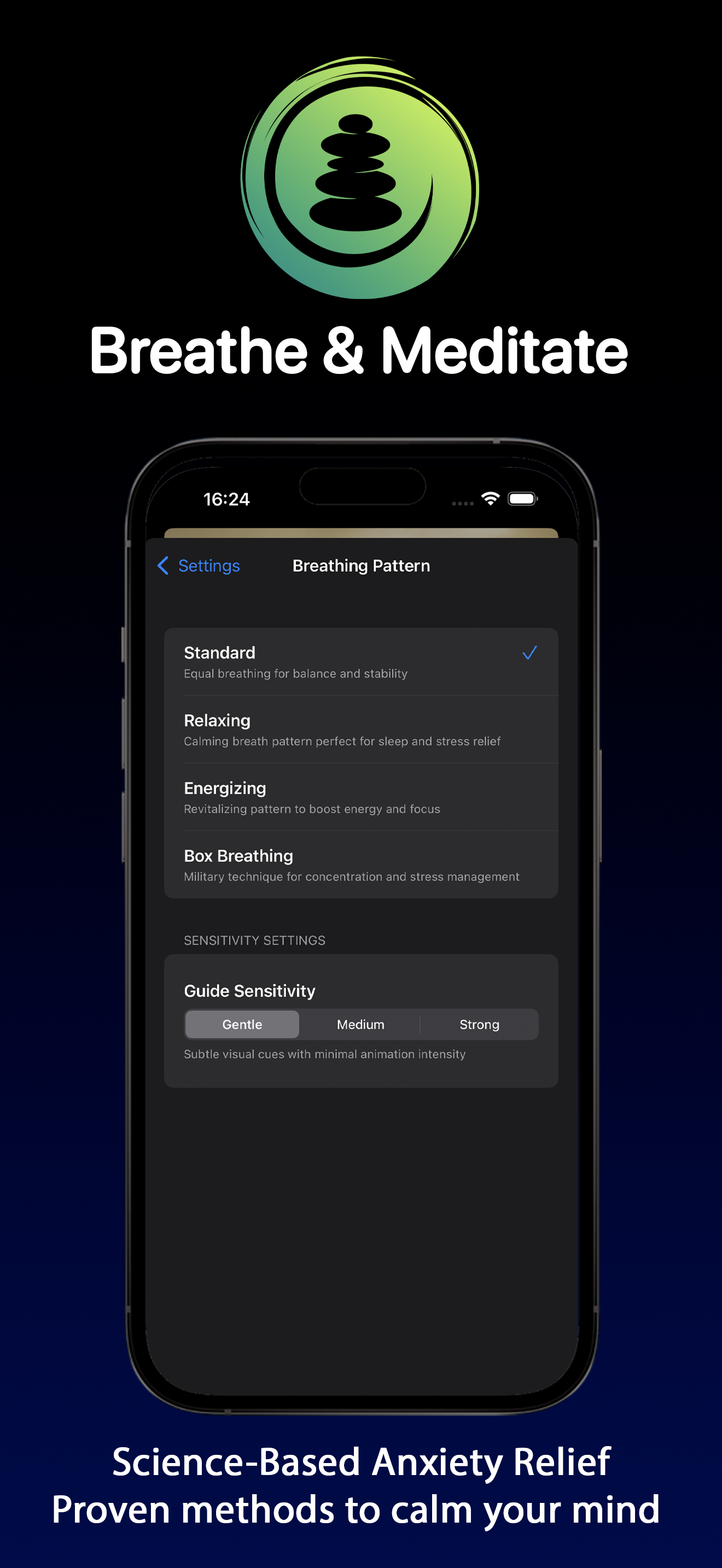
Box breathing
Four in, four hold, four out, four hold. Used in military and emergency-services training, which is where its reputation comes from.
Worth being precise about what it is for: box breathing is designed to steady you while remaining alert and capable. The equal ratio does not favour the exhale, so it calms without sedating. That makes it excellent before a difficult conversation and a poor choice for falling asleep - a distinction almost every article about it misses.
Physiological sigh
Two inhales through the nose - a full one, then a short second one on top - followed by a long exhale through the mouth. Repeat once or twice.
The fastest of these by a wide margin, and something the body already does spontaneously when settling after crying. The double inhale reinflates collapsed alveoli, which makes the exhale more efficient. Useful when you need the effect in thirty seconds rather than five minutes.
Using them for sleep specifically
Falling asleep is not the same problem as calming down, and the differences matter.
Do not count. Counting is a cognitive task and cognitive tasks keep you awake. This is the reason people report that a technique "works but I still cannot sleep" - they are lying in the dark doing mental arithmetic. Use a visual or audio guide so the timing is external.
Do it lying down, in position. Not sitting up first and then getting into bed. The transition is where the effect gets lost.
Breathe through the nose, quietly. Audible mouth breathing is a stimulus in itself.
Stop after about five minutes. If you are still awake, continuing turns it into an effort, and effort is the opposite of the goal. Let it go and lie still instead.
Expect it to be unremarkable. The effect is a mild downward drift, not a switch. People discount it because they were waiting for something more dramatic, and drifting off is exactly what success looks like.
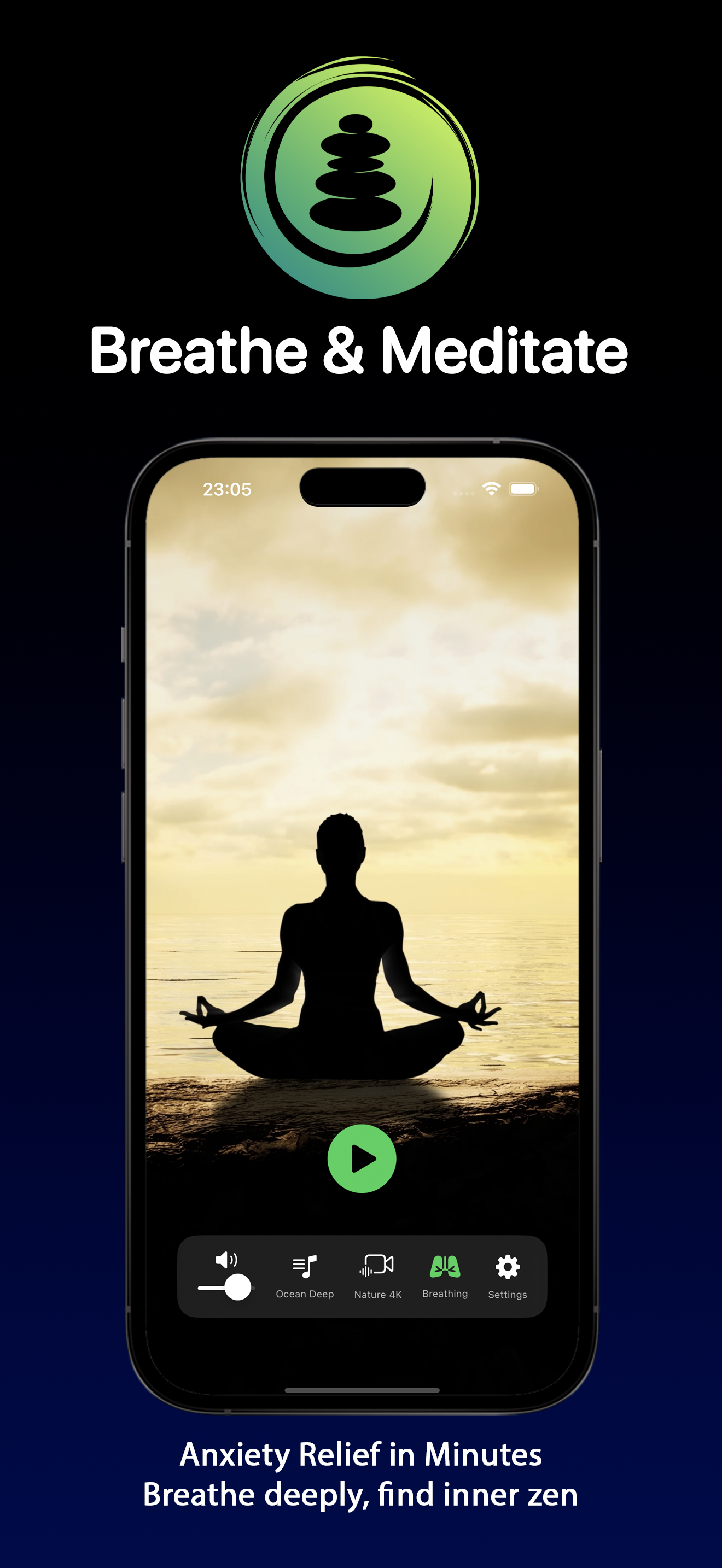
Breathe & Meditate handles the timing so you are following a shape on screen rather than counting, and separates the patterns by what they are for.
What breathing will not fix
Worth saying plainly, because this gets oversold.
- Sleep apnoea. A physical airway problem. Breathing exercises do not touch it, and persistent loud snoring with daytime exhaustion is worth a medical conversation rather than an app.
- Chronic insomnia. The treatment with the strongest evidence is CBT-I, which is a structured programme. Breathing can be part of it and is not a substitute.
- Caffeine, alcohol and screens. No technique outcompetes an espresso at four in the afternoon. Alcohol in particular is worth knowing about - it shortens the time to fall asleep and wrecks the second half of the night.
- An erratic schedule. Consistent wake time does more for sleep quality than anything else on this page.
Within those limits it is a genuinely useful tool: free, portable, works in a hotel room, and has an actual physiological mechanism rather than a vague one. Which is more than can be said for most of what gets recommended for sleep.