Two different kinds of fear
A jump scare is a reflex. A sudden loud sound and an abrupt image trigger the startle response - you flinch, your heart races, and a second later you laugh. It works on almost anyone, and it is over almost instantly.
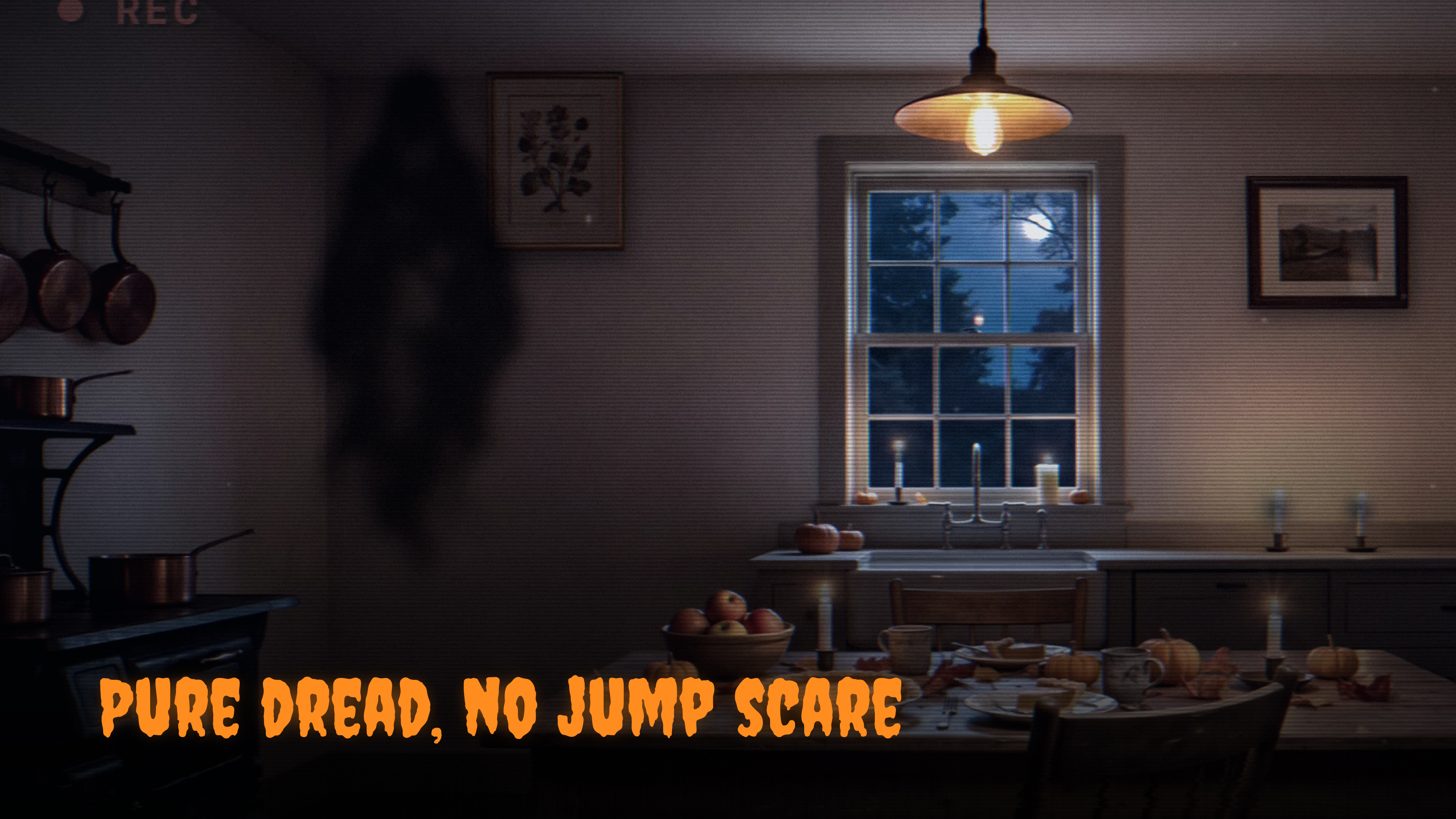
Dread is slower. It is the feeling that something is wrong before anything has actually happened: a sound you cannot place, a shape in a doorway, a room that looks slightly different from a minute ago. It can last the whole evening, and it is what people remember.
Suspense versus surprise
Alfred Hitchcock explained the difference with a bomb under a table. If two people are chatting and the bomb suddenly goes off, the audience gets a few seconds of surprise. If the audience is shown the bomb first, and then watches the same chat, every second of small talk becomes unbearable. That is suspense: the audience knows more than the characters and has to wait.
Horror uses the same trick in a different form. You do not need to see the bomb - you only need to sense it.
The "Lewton bus"
In the 1942 film Cat People, produced by Val Lewton, a woman walks alone at night, sure she is being followed. The tension builds, and then a sudden hiss makes the audience jump - it is only a bus pulling up, its air brakes sighing. The technique became known as the "Lewton bus": a false scare that releases tension with something harmless.
Used once, it is brilliant. Used every ten minutes, it teaches the audience that loud noises mean nothing, which is why films built on cheap jump scares often feel less frightening than they should.
How a slow burn works
- Normal first. Establish a calm, ordinary space, so changes stand out.
- Small, deniable changes. A light flickers. Did it? A sound that might have been the wind.
- Escalate slowly. Each change is a little harder to explain away than the last.
- Hold back the payoff. The longer the wait, the bigger the release.
At a Halloween party
The same rules make a better party scare. Start with something cozy, let the evening drift, let small things go wrong, and save one real scare for the end - or skip it entirely and let the dread carry the night. More in how to pull off a Halloween prank on the TV.
Haunted TV is built on this structure. Its Creepy level is a pure slow burn - strange things creep in and the evening ends in an eerie hush, never a jump scare. Scary is the classic slow build-up with one big scare at the end, and Nightmare is faster, darker and louder.